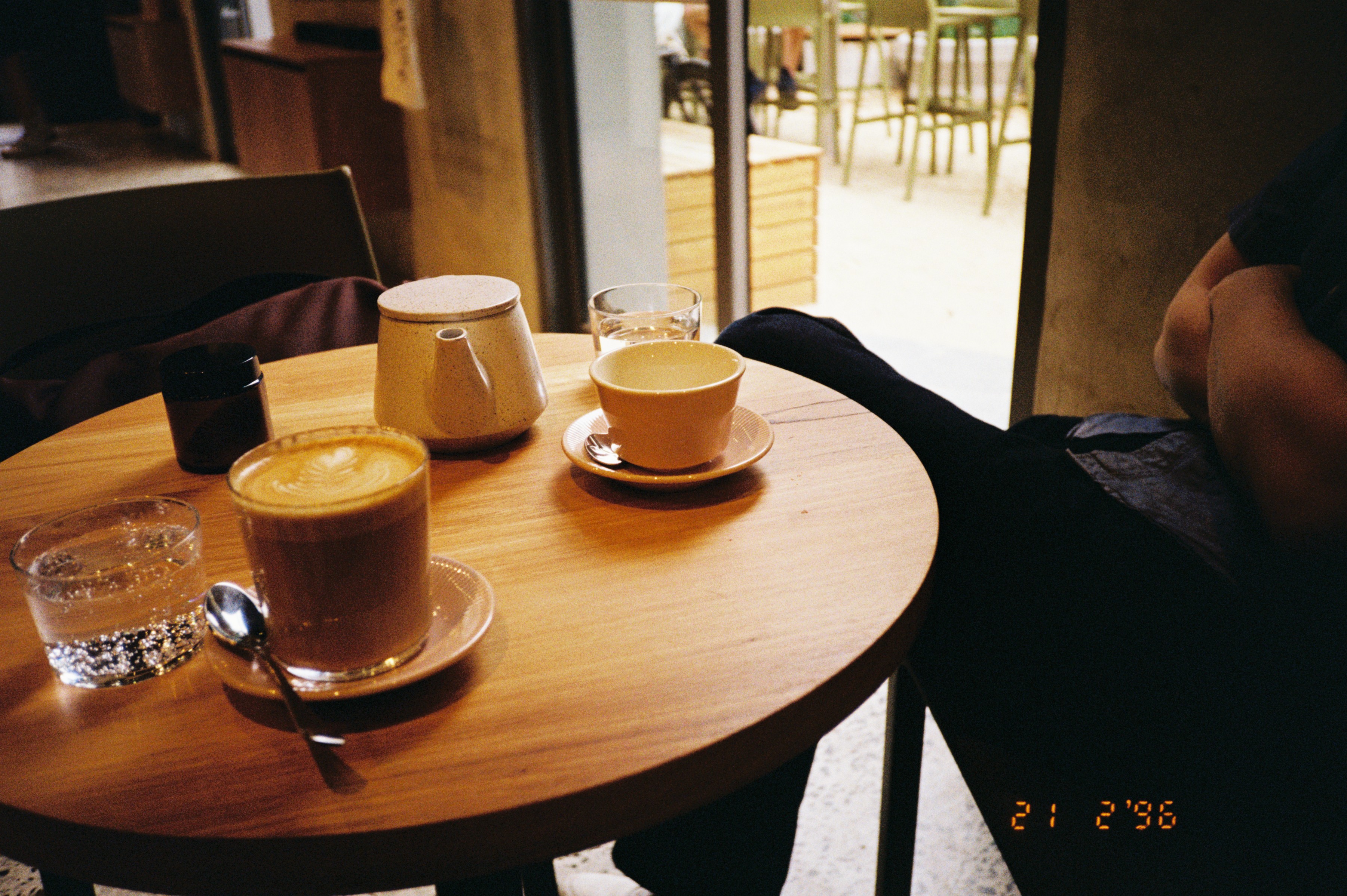
If you could go back in time, who would you speak to before the coffee gets cold?
With such a simple concept, that of a cafe that allows one to travel time, Before the coffee gets cold lays its heart on its sleeve from the very beginning. Despite being ultimately unassuming on their surface, the stories set in Funiculi Funicula, like most places worth visiting, are filled with depth, life, and profound self-exploration.
Toshikazu Kawaguchi’s writing reflects the reality that our perspective shapes the world around us, down to our individual biases and understanding. As a Japanese novel, there is of course a level of assumed knowledge that the audience is expected to have, one of certain cultures that create the fundamentals of Japanese cafes. Yet, this is nothing more than the depth that further reinforces how the true lessons in life are obscured under the surface of what we can physically see.
While the average reader from around the world is able to draw from their own personal struggles or connections with concepts like grief, Kawaguchi’s writing never strays from a core of appreciation for the human experience. And whether intentional or not, creates a damn good representation of Japanese coffee culture. It’s this comparison between cultures of cafes and curiosity that shines through and keeps me coming back for more.
Like the drink itself, the simple fact that we are able to appreciate the flavours and stories told through each sip - stories that develop and lie and betray and forgive - we too continue to wake up and do the same.
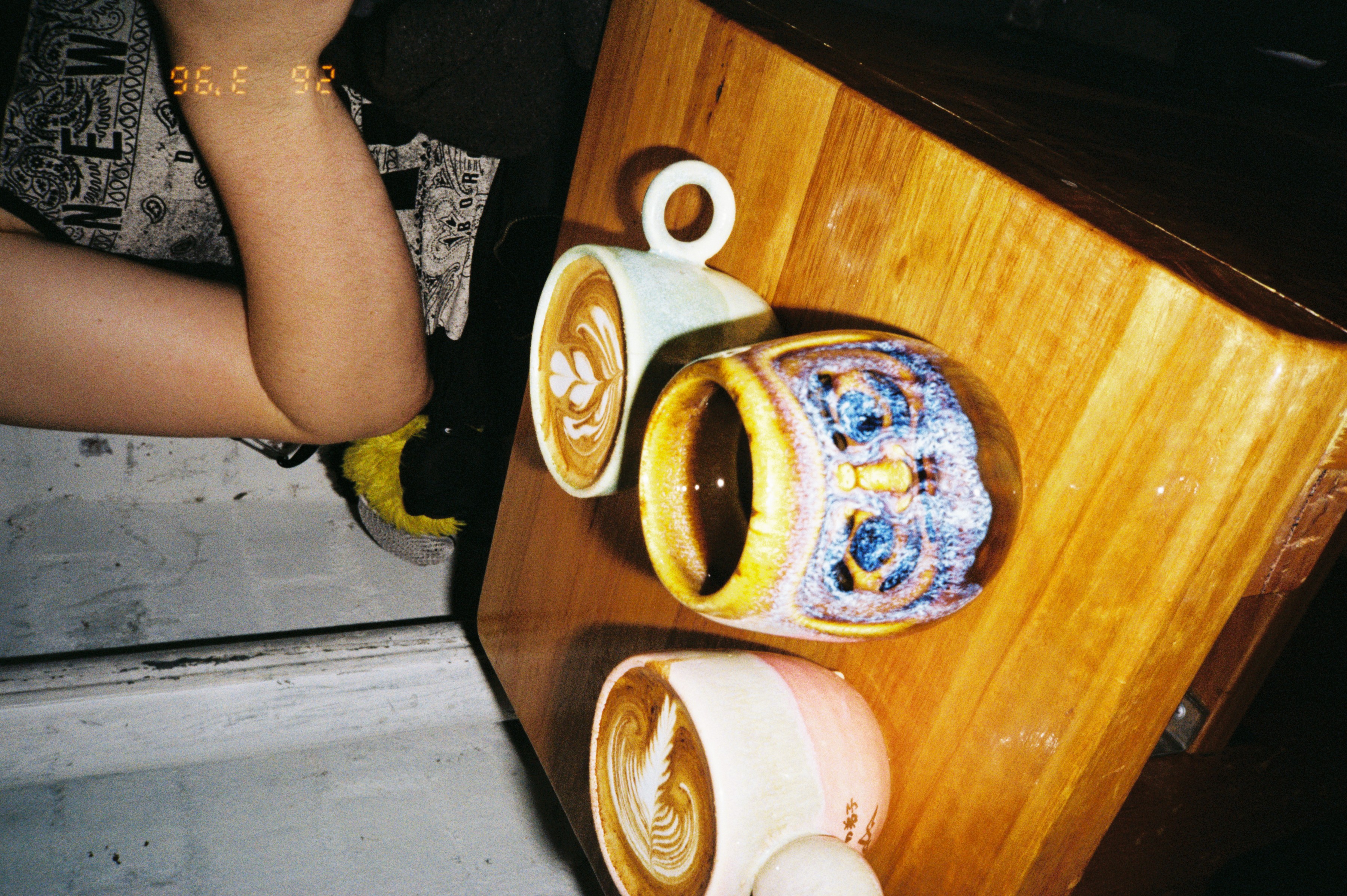
As of writing, there are 6 novels that make up the world of Before the coffee gets cold, with each chapter containing a new, unique perspective and story. For this reason, the majority of Kawaguchi’s stories follow a simple 3 point plot. And despite each character needing a satisfying introduction, problem, and conclusion in just one chapter, it never feels rushed or incomplete.
If you drink coffee you probably are already keenly aware of how the flavours change as it develops, or as the temperature changes. Like our lives, too, the reason we can experience each flavour independently is entirely because we’re physiologically supposed to. Our tongue, much like our mind, isn’t a monolith - from acidic to sweet to bitter, each flavour must be experienced separately to create a story together.
The main lesson that I draw from the books is to slow down. Each patron that returns is given a meager 10-15 minutes, often forgetting in the moment that their time in the past is finite. The perspective itself, that of being able to relive memories in the present, subverts our notion that the only version of the self that truly exists is here and now. It’s because of this that these stories are so effectively able to allow the parts of us that need it to grieve and move on.
The future, too. That uncertainty that causes us so much anxiety. In this world, even if difficult, even if doomed, those who visit the future can return with the piece of mind that everything will be okay because one day we will all die. To the customers of Funiculi Funicula, time travel is just a means to be more present, to notice the flavours as the coffee gets cold.
To travel back in time, the cafe has strict rules that are explored in each book thoroughly: You cannot change the past, you cannot move from your seat, and you must drink your coffee before it gets cold. This is unsurprisingly a point of contention to those who hear it, and most give up. Upon a first reading it’s easy to fall into thinking that these rules reflect the unwritten and ever-evolving rules of society, one that certainly still holds valid as commentary for their reactions and fears of the constricting reality that they’re confronted with.
Looking back, you’ll appreciate the care and foresight of the generational family that runs Funiculi Funicula. This family is well aware of the dangers of what is essentially being stuck in the past, and are constantly faced with the reality of losing someone like that.
So, why is it in our nature to fight the present? No matter the science or spirit behind the prosperity of being present and mindful, life is still really, really difficult. It’s the reason why near-death experiences drag us down to earth and demand our attention. In the book, the imagery of being swallowed by the steam from the coffee to travel time is a bittersweet reminder that the past and the future obscure your vision of the present. It’s a reminder that the perfect future or broken past in our mind is nothing more than a mirage created from the steam of a hot coffee in the cold.
We all march towards the bottom of that cup no matter our personal philosophies. Yet there remains a fine line between appreciation of the flavours present, and losing yourself, for the consequence of failing to drink your coffee before it gets cold is to become a ghost of your former self.