
There’s plenty to be said about human relationships, both in and outside the context of startups, but one thing is a given: there will always be plenty of chances for conflicts to arise. Where to invest, future predictions, our overall goals and directions in life. It can all feel immensely overwhelming and is almost guaranteed to involve some sort of disagreements and heated moments we might regret.
That doesn’t mean that we should avoid these discussions, and I’m happy to say that things genuinely stay pretty constructive and calm within my teams, with one notable exception: The first, and so far only time, I’ve ever properly snapped at my co-founders, wasn’t even a discussion about our company, It was about coffee.
It wasn’t a particularly special conversion, but somehow we ended up discussing the viability of automating what some people consider the excessively laborious process of my coffee habits. And what ended up getting me so fired up, rather embarrassingly, was that I struggled to argue against the points being made. Because in a world where labour costs, among others, have driven up the costs of a cup of coffee to a scary degree, why wouldn’t a machine be able to consistently hit the exact pouring patterns and flow rates that I’d spent years practicing. No mistakes, no character. Just a perfect pour, every damn time.
Looking back, I got angry, I lashed out, and subsequently opened my eyes to the things that mattered to me. For a long time I couldn’t help but ask myself why? Despite good intentions, why did these comments on my personal rituals trigger such a reaction in me? The answer now seems obvious, and has a lot to do with my journey to how I reached here in the first place.
Being Danish, I never really had to make an active effort to be introduced to coffee - we’re the second highest ranking country in terms of coffee consumption per capita, and along with alcohol, coffee serves as a core pillar of our social culture.
However, the typical Danish coffee experience remains to this day, one of preground coffee from unknown origins, made in a batch filter brewer. In many cases it was quantity and price over quality. With no regards for the origins or tasting notes, to many it was just ‘coffee’.

So, the avenue into coffee was an obvious one, but the one into specialty? Much less so.
18 year old me initially found himself putting all his eggs in the basket of something more prestigious at first glance, with wine being similarly popular in Danish culture it seemed like something I could be content diving into the intricacies of. However, rather quickly, being deep into wine proved to be a difficult pathway for both my health and my wallet.
Luckily, being my introduction to such a rich sub-genre of the specialty world, I found my odd interests hurling myself into coffee culture which quickly grew to become an obsession for the next 10 years of my life, of course still counting.
The main few influences that ended up sending me along this journey of self-discovery are all relatively closely related: Tokyo Ghoul, Persona 5, and the culture that these pieces of media contained representations of, the Japanese Kissaten 喫茶店 culture.
As a part of my lifelong interest in Japanese pop-culture, I found myself identifying and falling in love with the plots centred around Japanese coffee shops and their hand-drip coffees. This led me to long for a life I’d never known about until then and its style of coffee which was at the time not yet wide-spread in Denmark, pushing me to eventually visit Japan for the first time.
After returning from my first trip to what would eventually become my home and my life, having experienced both Japan as a whole and a classic Kissaten, I was already an easy victim for the final blow that would change my future. One of the main settings of Persona 5, the Kissaten LeBlanc. In the game you will occasionally brew your own coffee in that signature style, receiving feedback and trivia from the owner about the origins of various beans and their subsequent flavour profiles.
This would be what finally pushed me to invest in some brewing gear of my own: A classic plastic V60, a WIlfa Svart grinder, and a gooseneck pouring kettle. With this, all I needed now was a recipe and some direction. Enter my next discovery: James Hoffmann, his videos, his books, it was my point of no return. It cemented my curiosity and obsession and opened my eyes to how deep the world of coffee went. Because as it turned out, coffee was not only a craft, it was a science. Somehow existing at the intersection of the two, it scratched every itch of my extremely romantically geared mind, and my nerdy, obsessive brain.
From that point onwards I must have been to hundreds of specialty shops, brewed thousands of cups of coffee, spent too much on equipment, watched every video and read every book I could get my hands on. I’ve bought several books on coffee brewing, the most aggressively nerdy of them being “The Physics of Filter Coffee” by Jonathan Gagne - an incredible piece that I couldn’t recommend enough, but also more or less where I found the limit of how nerdy I felt like going with my coffee brewing.
I’ve owned all sorts of manual brewers, counting the aforementioned V60, the Hario Switch, the Clever Dripper, mokapots, syphoons, AeroPresses, Vietnamese phin brewers, the Hario woodneck cloth filter brewer - the list goes on. Though, throughout the years, no matter what new piece or method I learned about, I’ve always found myself returning to what got me started, the plastic V60.
Somehow, I just can’t seem to beat the quality and personality of hand drippers, a good coffee, and a good grinder.
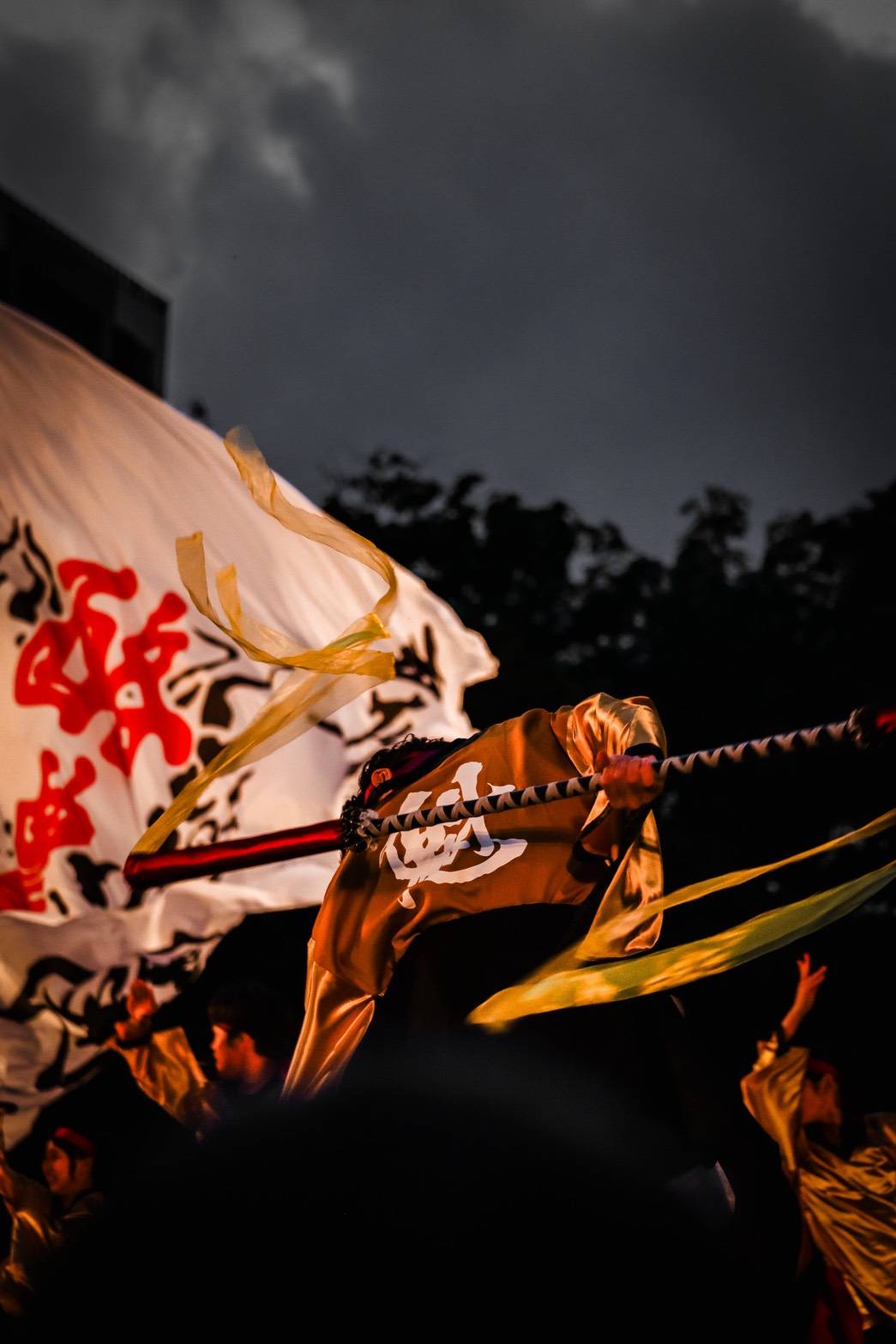
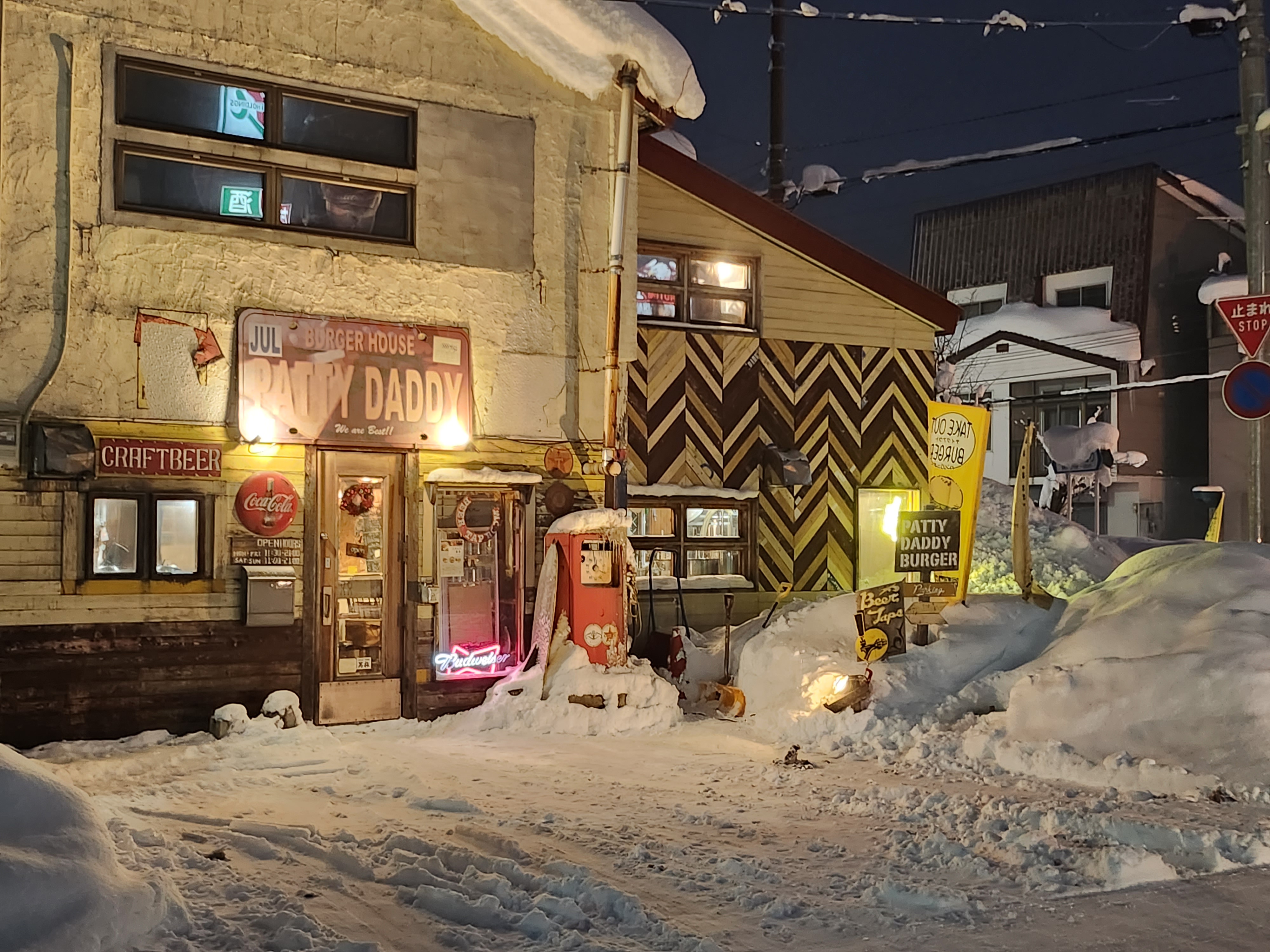
After my move to the snowy capital of Hokkaido, Sapporo, my passion for coffee would also end up being how I met most of my closest friends here. Either directly or indirectly, the coffee culture in Japan and specialty scene remains one of my favourite parts of the city.
These days, I’ve moved away from the intensity of my coffee obsession, finding a good balance with the coffee I produce at home, with a method and flow I’ve gotten comfortable with. I’ve found pride in a decently deep understanding of coffee brewing and its various beans and origins, but ultimately, the quality of my day-to-day brews are more a result of practice, quality in beans, and a baseline understanding of the many factors that affect extraction and its flavour. So aside from the practice, it really isn’t anything an afternoon consuming Hoffmann videos wouldn’t teach you.
But, despite taking my foot slightly off the gas in terms of nerdiness, coffee is still one of my main passions, and an important part of my daily life. Which finally brings us back to what coffee has become to me over the years, and why that initial discussion about the automation of my very manual processes ended up stirring within me.
I’m a software engineer, both in terms of my academic background, and my career. This is also reflected in my life as a startup founder, where I’ve always had to be a more product-first person. I love my life as a software engineer, but it does undeniably sometimes produce value that doesn’t translate to the real world in a clear, tangible way. As much fun as it can be, spending a 12 hour workday on something that maybe only ever translates into numbers on a screen, can definitely leave you feeling a bit hollow.
And that’s what coffee has become to me, aside from ‘just’ being one of my main hobbies: It’s sometimes the one, guaranteed tangible thing that I put into the world in a day. It’s a ritual to focus myself on, where I get to feel like I’m good at something that isn’t digital. It’s one act of love towards my partners and friends. Even on the roughest, longest days of our lives, I will always strive to make them a good cup of coffee. Us analysing the brew of the day in the morning, is a guaranteed moment of mindfulness, even when our minds are elsewhere.
People inherently love to cherish the little things, and coffee is my most important ‘little’ thing.
Looking back all those years ago, we weren’t really even discussing the same thing. I didn’t realise it at the time, and therefore failed to put it into words, but for me it never mattered whether or not my coffee brewing rituals could be automated or not - I never wanted it to lose that human touch. To this day, I still have zero interest in having something so important to me taken over by any sort of machine, despite its ‘logic’.
It can feel like the world’s obsession with automating everything is growing more intense by the second. This was already the case when I started my software degree almost 10 years ago, and it has exploded even further in recent years, in the wake of massive leaps forward with generative AI, and especially within Large Language Models, or LLMs.
At this point, it feels like there’s nothing people won't outsource to generative AI-based tools and more convenient options. What’s worse is that the way people communicate about these opportunities heavily imply that you’d be wrong for not following suit, that if you’re somehow not automatic every piece of your existence, you’ll be left behind - and deserve to be so.
Luckily, there are also plenty of people preaching the opposite. Even as the co-founder of an extremely automation-focused startup, and as a software engineer, I cannot stress this enough: protect, and cherish the small things in your life. Many things can be automated, but not the human experience.
There are so many tasks a machine can do, but art, music, craftsmanship and indeed, coffee? I’ll take the real deal. Flawed as humans can be, I continue to find more joy in those flaws than the consistently acceptable output from a machine.
I can promise us both that I’ll keep brewing my coffee in the most obnoxiously manual, nerdy, and fun ways I can imagine. I hope you too, will keep your little rituals safe and cherish them - they’ve never mattered more.
- Victor Gram Thomsen